Fire alarm inspection requirements in Ontario come from CAN/ULC-S536:2019, the standard the Ontario Fire Code adopts in Division B, Section 6.3. Every fire alarm system is inspected and tested once a year. The annual test covers every detector, pull station, horn, strobe and control function, one at a time, plus the batteries and the link to the monitoring station.
Between annuals, the Fire Code expects a daily check that the panel shows no trouble, and a monthly test. A certified fire alarm technician does the annual inspection and signs the report. Records are kept on site for two years.
What does a CAN/ULC-S536 annual inspection actually test?
Okay, so the big thing is the word “every”. The standard does not let a technician test a sample of the building. Each part of the system gets operated, and each result gets written down.
It starts at the panel. The technician checks every indicator, confirms a trouble shows when a circuit is opened, and tests the batteries under load. The reason being, a fire alarm that loses building power has to run on those batteries, and a battery can look fine on a meter and die under load.
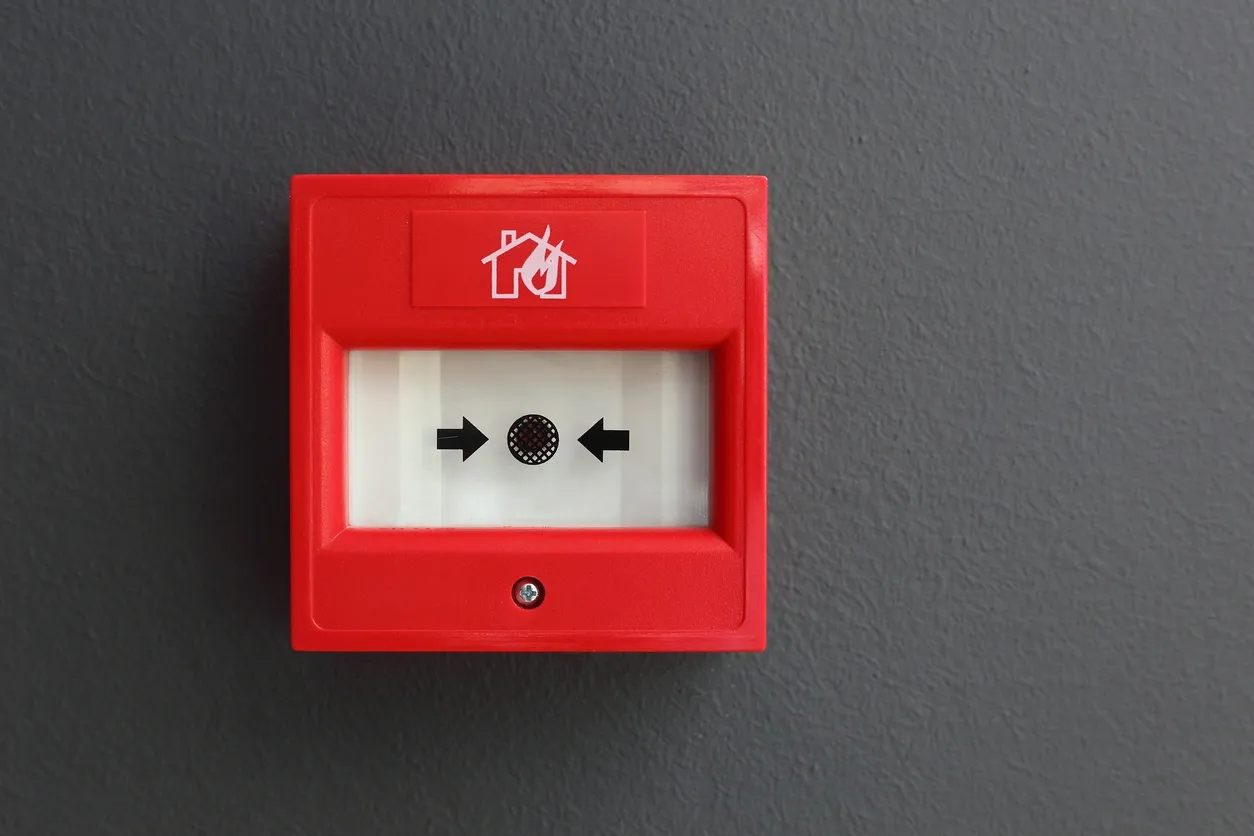
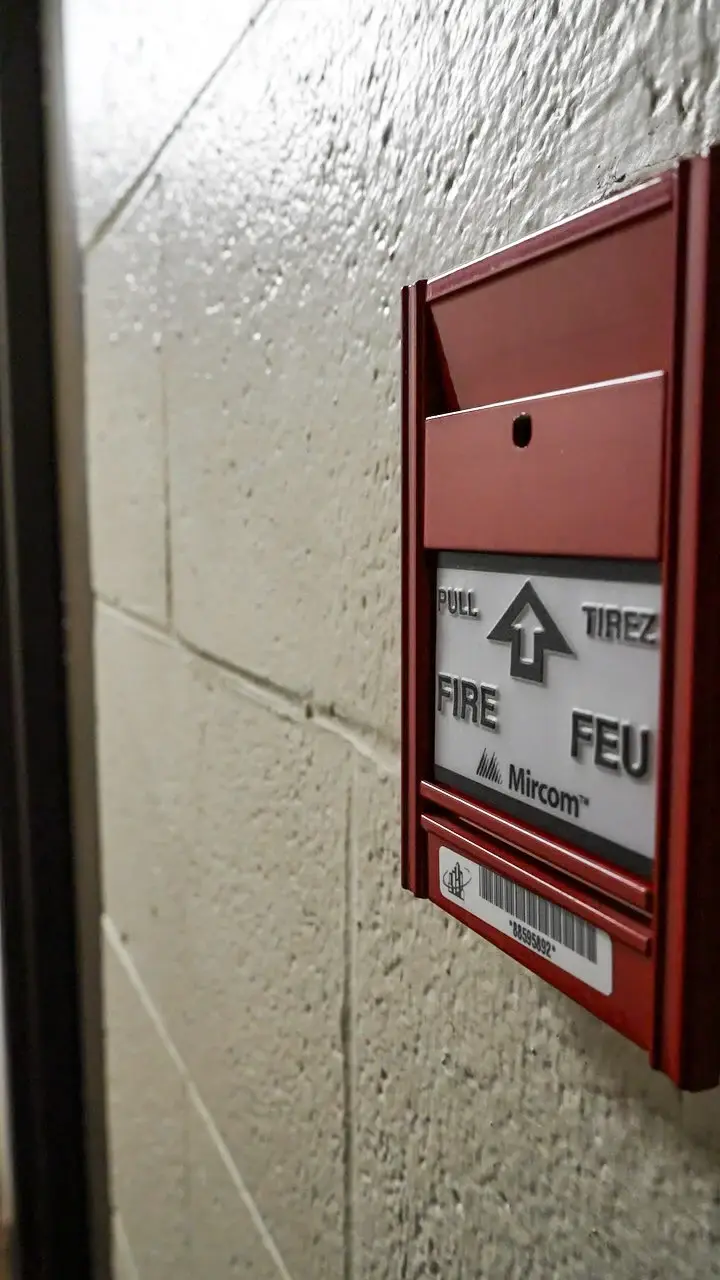
Then it moves to the floors. Every smoke detector gets real smoke or a listed test aerosol at the detector head, as opposed to a magnet at the base. Every heat detector that can be tested with heat gets heat, and every pull station gets pulled.
Then the signals. Every bell, horn, speaker and strobe is operated and the sound level is checked where the standard calls for it. Door holders release, fans shut down and elevators recall, wherever the panel is wired to make them.
Last is the monitoring station. The technician puts the system on test with the station before starting, confirms the alarm and trouble signals were received, and takes it off test at the end. Monitoring stations work to CAN/ULC-S561.
So a 6-storey building with 150 smoke detectors is most of a day for two technicians, as opposed to a walk to the panel and a printed certificate. If your last annual took 40 minutes, it was not an S536 annual.
What are the fire alarm inspection requirements in Ontario between annual tests?
The annual is the big one, but the Fire Code expects two smaller checks from the building. One is daily and one is monthly. Both can be done by your own staff once someone has shown them how.
| Frequency | What is checked | Who does it | Standard |
|---|---|---|---|
| Daily | Panel shows power on, no trouble signal and no supervisory signal. Log it. | Building staff | Ontario Fire Code Division B 6.3; CAN/ULC-S536:2019 |
| Monthly | System operated from one pull station or detector, signals confirmed, annunciator checked, batteries and emergency power checked. Monitoring station called before and after. Log it. | Building staff who have been trained, or the contractor | Ontario Fire Code Division B 6.3; CAN/ULC-S536:2019 |
| Annual | Every detector, pull station, signal and control function tested one at a time. Batteries load tested. Monitoring signals confirmed. Written report with each result. | Certified fire alarm technician | CAN/ULC-S536:2019 |
| After installation or modification | Verification: a separate test that proves the installation matches the design and CAN/ULC-S524. | Verification company | CAN/ULC-S537:2019 |
One thing to know: the monthly test is where a lot of buildings fall down. The reason being, nobody is assigned to it, so the log has 12 blank lines by the time the fire prevention officer asks. Put a name beside it.
The daily check takes 10 seconds. If the panel shows a yellow light, that is a trouble signal, and what to do about a fire alarm trouble signal covers the next hour. The staff side of the whole system is in our fire alarm maintenance guide for property managers.
Who is allowed to do the annual inspection and sign the report?
CAN/ULC-S536:2019 requires the inspection to be done by a person who is trained and competent on fire alarm systems, and that person signs the report. In this trade the public wording is “certified fire alarm technician”. The fire prevention officer is entitled to ask who did the work and what their training is.
There is a second layer that catches people. The technician has to be able to work on your panel. A conventional panel of any brand can be tested by any trained technician, as opposed to an addressable panel, which needs the manufacturer’s software and training for that brand.
So what that means is you ask two questions before you book. Who signs the report, and are they trained on this panel. Red Seal is a Mircom Engineered Systems Distributor, services conventional panels of any brand and addressable panels by brand, and uses certified fire alarm technicians.
What should the annual fire alarm test report show?
The report is the product. I have been handed annual reports with no list of what was tested and no signature line. I would say a fire prevention officer sees the same thing I do: a certificate proves someone came, and a report proves what each detector did.
A real S536 report lists every detector, pull station and signal by location, with its result. It lists each deficiency with the clause it fails. It shows the battery readings and the date, the monitoring signals received, and the technician’s name and signature.
The Ontario Fire Code requires records of tests and corrective measures to be kept for two years (Division C, Section 1.1.2). Windsor Fire & Rescue Services asks to see two years on site, and the fire alarm annual is on its business licence inspection list. A redacted example of what Red Seal sends is on the sample report page, and it lands within 24 hours of the visit.
Where do verification, monitoring and the detectors themselves fit in?
The annual inspection sits in the middle of a few other fire alarm questions. Each one has its own post, and they link together like this.
Verification is the once-only test after a system is installed or changed, done to CAN/ULC-S537:2019 instead of S536. Fire alarm verification versus inspection explains when a renovation triggers one. Monitoring is a separate question again, because the Ontario Building Code decides which buildings need it, and fire alarm monitoring requirements in Ontario covers that.
The detectors are the part most people ask about after the annual. How smoke detectors work and fail and how heat detectors are tested explain what the technician is doing up on the ladder. If the building keeps getting unwanted alarms, minimizing false alarms covers the common causes.
Frequently asked questions
How long does a CAN/ULC-S536 annual inspection take?
It depends on how many detectors, pull stations and signals the building has, because every one is tested. A small plaza is a few hours and a high-rise can be more than a day. A technician who knows the count can tell you before the visit, and CAN/ULC-S536:2019 does not allow sampling to make it shorter.
Is a fire alarm annual test required if the system has never gone into alarm?
Yes. The Ontario Fire Code (Division B, Section 6.3) requires the annual test to CAN/ULC-S536:2019 for every fire alarm system, whatever its history. A panel with no trouble light tells you the wiring is intact today, and only a test tells you the detectors respond.
Who can do the monthly fire alarm test?
Building staff can do it once a technician has shown them the steps for their panel, and many buildings have the contractor do it instead. Either way it gets logged, and the monitoring station is called before and after. The annual inspection still has to be done by a certified fire alarm technician.
What is the difference between a CAN/ULC-S536 annual inspection and a verification?
The annual inspection under CAN/ULC-S536:2019 proves the existing system still works, every year. A verification under CAN/ULC-S537:2019 proves a new or modified system was installed correctly, once. A new building needs the verification first and the annual every year after.
Is a one-page certificate good enough if the fire department never asked for more?
The Fire Code requires records of the tests themselves (Division C, Section 1.1.2), and the fire prevention officer is entitled to ask what was tested and what the result was. A certificate cannot answer that. A report that lists each detector can, which is why a board or an insurer reading the file asks for it too.
Red Seal’s annual report lists every detector, pull station and signal with its result, lands within 24 hours, and lives in your online portal next to every past report. That is what 3,000+ inspections in the last few years have looked like. If your building is in Windsor-Essex, the Windsor-Essex service page has the local response times, and the fire alarm service page lists what the annual includes.
Get an annual report that lists every detector. Send your building address to Red Seal and get a fixed-fee inspection quote within 24 hours. Get a fixed-fee quote or call 548-888-FIRE (3473).
Red Seal Fire Protection inspects, tests and repairs fire sprinkler, fire alarm, fire extinguisher, fire pump and backflow systems for commercial, industrial and multi-residential buildings in Windsor-Essex, Chatham-Kent, Sarnia-Lambton and London, Ontario.